Khunjerab Pass: Visiting the World's Highest Border Crossing
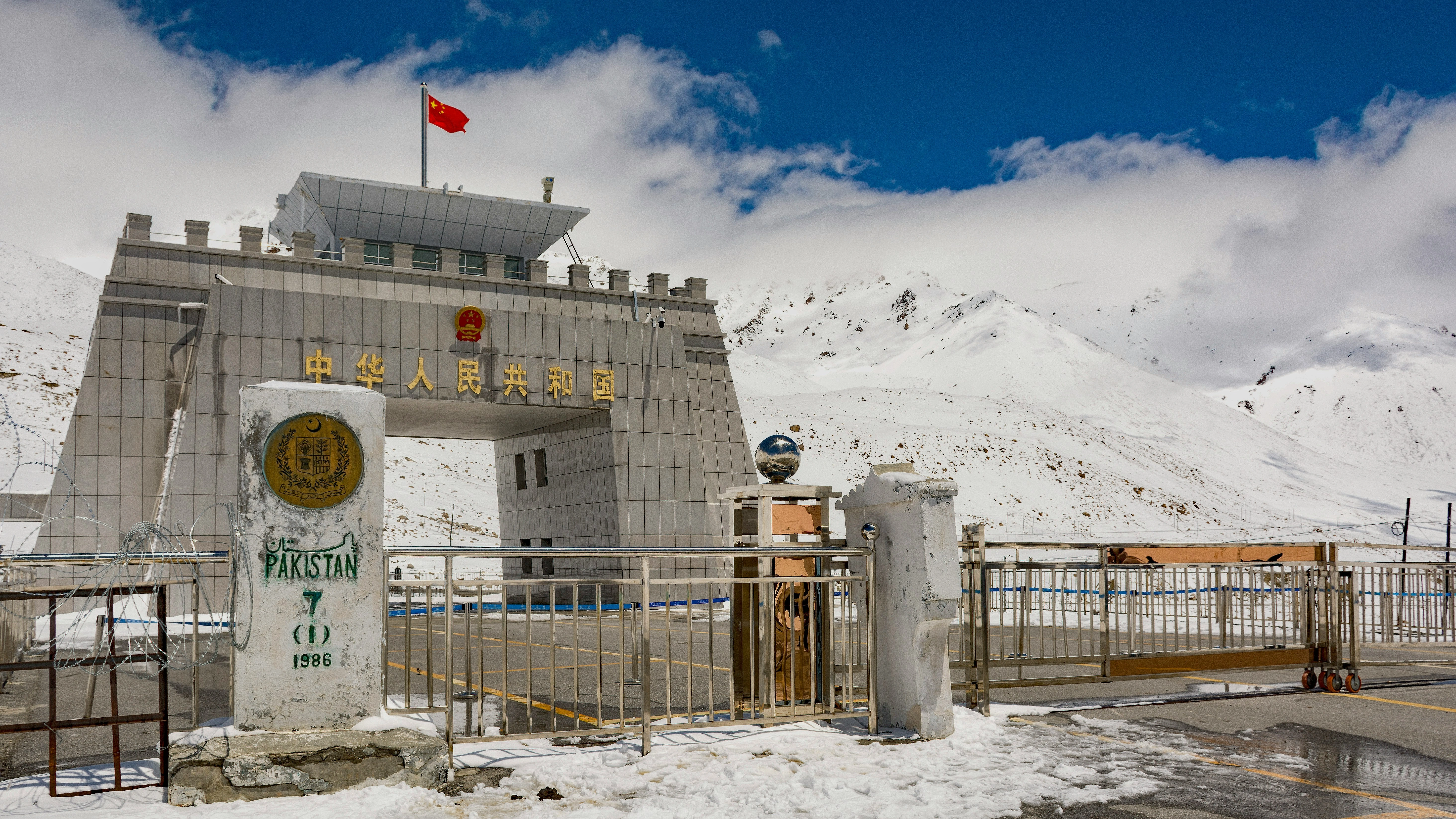
There's a particular kind of quiet at 4,700 metres — thin air, snow on the peaks even in July, and a painted gate marking the exact line where Pakistan ends and China begins. Khunjerab Pass is the highest point on the Karakoram Highway and, by most counts, the highest paved international border on Earth.
The Quick Guide (At a Glance)
- 01/ Elevation: about 4,693 m (15,397 ft) — the highest paved international border crossing in the world, on the Karakoram Highway (N-35) linking Hunza, Pakistan with Xinjiang, China.
- 02/ Location: roughly 170 km (4–5 hours) north of Karimabad in Hunza, about 85 km past the border town of Sost.
- 03/ Best season :late May to September, when the road is clear; heavy snow can close it from November through April.
- 04/ Entry:a Khunjerab National Park ticket is required for everyone; crossing into China needs a Chinese visa arranged in advance — there's no visa on arrival at the pass.
Where Is Khunjerab Pass, and How High Is It Really?
Khunjerab Pass sits in the Karakoram Mountains, on the northern edge of Gilgit-Baltistan's
Hunza-Nagar district, exactly where Pakistan's Karakoram Highway meets China's National Highway
314 in Xinjiang. Different surveys put the elevation anywhere between roughly 4,690 and 4,730
metres, but 4,693 m (15,397 ft) is the figure you'll see most consistently — high enough that
it's regularly compared to Mont Blanc (4,810 m) or Mount Whitney (4,421 m) to put the scale in
perspective.
The name itself comes from the Wakhi language spoken across this part of the Karakoram: a
combination of words referring to blood and to a spring-fed creek, often translated loosely as
"valley of blood" — a nod to the pass's history as a dangerous stretch of the old Silk Road,
where caravans were vulnerable to bandits. Today the road is fully paved and was completed in
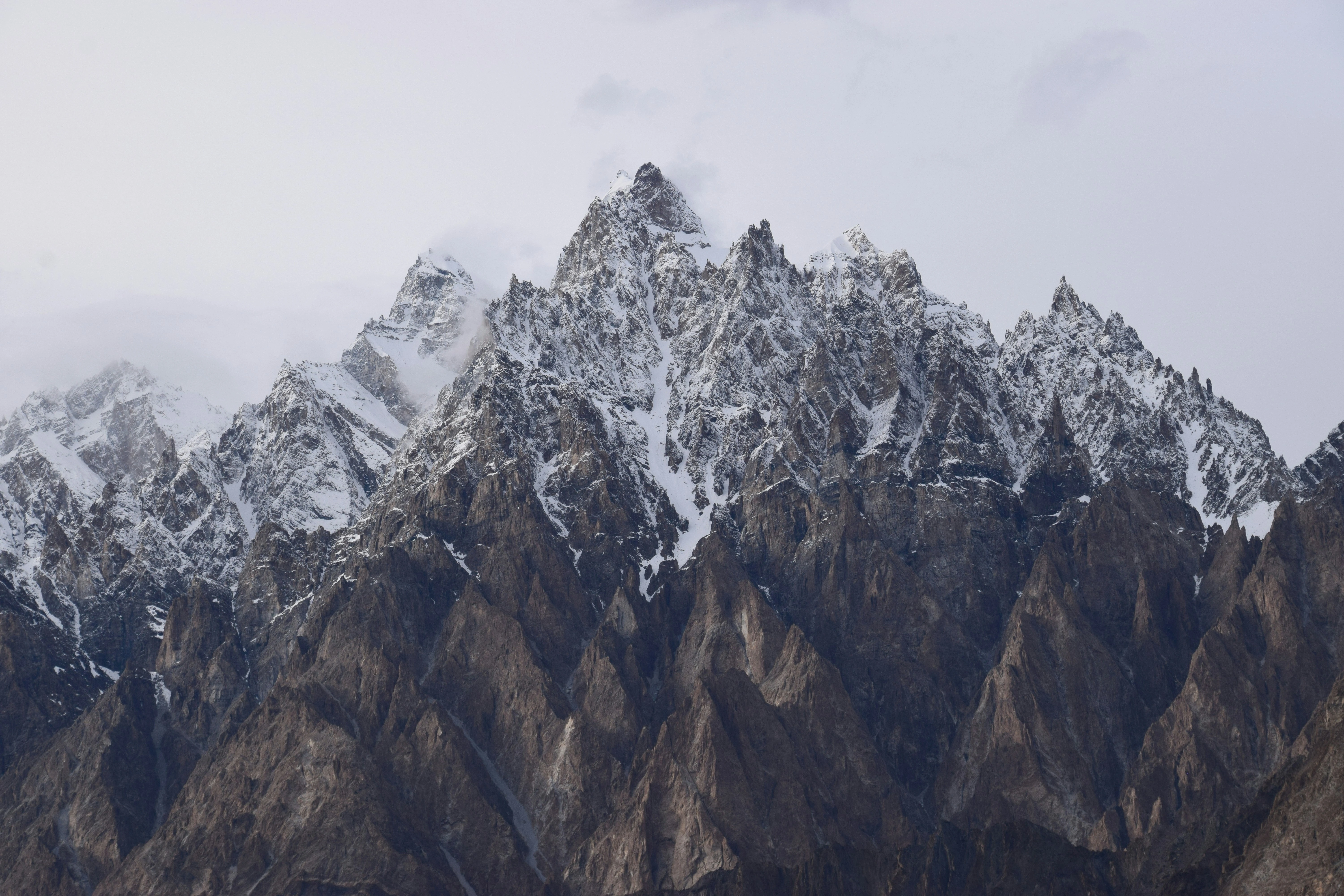
the early 1980s, but the setting hasn't softened much: bare scree slopes, glacial peaks, and
herds of yak grazing right up to the roadside.
"To travel is to discover that everyone is wrong about other countries"
— Aldous Huxley
Permits, Fees, and Altitude: What Visiting Actually Involves
The good news first: there's no special travel permit or NOC required for foreign tourists to
visit Hunza or Khunjerab Pass on the Pakistani side anymore — a valid passport, carried with you
at all times, is sufficient. What you can't skip is the Khunjerab National Park entry ticket,
sold at a gate roughly 35 km from Sost. Reported fees for foreigners have varied quite a bit
between travellers' accounts — from around 800 PKR to figures closer to USD 40 equivalent — so
it's worth budgeting on the higher side and carrying Pakistani rupees in cash, since cards
generally aren't accepted at the gate.
If your plan includes actually crossing into China, the permit picture changes: you'll need a
Chinese visa obtained in advance from an embassy or consulate, since there is no visa-on-arrival
option at Khunjerab itself. Most leisure travellers don't cross at all — they treat the pass as
a round trip from Hunza, walk up to the border marker, and head back the same day.
Planning Your Visit: Best Time, Getting There, and Practical Tips
Late May through September is the safest window to plan around. The road is generally clear,
weather is as mild as it gets at this altitude, and the drive up from Hunza is straightforward
rather than a snow-clearing gamble. From November to April, heavy snowfall regularly closes the
route entirely, and even in early summer it's worth checking current conditions a day or two
ahead, since late storms do happen
Most visitors base themselves in Karimabad or elsewhere in Hunza and do Khunjerab as a long day
trip — about four to five hours each way, passing through Sost, the last proper town before the
climb. If you're starting from Islamabad, expect a full day or two of driving (roughly 770 km,
10+ hours) to reach Hunza first, or fly into Gilgit or Skardu to cut that down considerably. The
road itself is well-paved and graded gently for a high mountain route, but it is long, winding,
and best not rushed
Frequently Asked Questions
Khunjerab Pass sits at roughly 4,693 metres (15,397 feet) above sea level, on the Karakoram Highway between Hunza, Pakistan and Xinjiang, China. A few other mountain passes sit higher, but Khunjerab is widely recognised as the highest paved international border crossing in the world — the highest point where a sealed road carries vehicles and people across a national boundary.
No separate NOC or travel permit is required for foreign tourists visiting Hunza or Khunjerab Pass on the Pakistani side today; a valid passport is enough. You will need to buy a Khunjerab National Park entry ticket at the gate, and if you intend to cross into China, you must already hold a Chinese visa, since there's no visa on arrival at the border.
Late May through September is the most reliable window, when the road is clear and daytime conditions are as manageable as they get at this altitude. From around November to April, heavy snow frequently closes the route, so it's worth checking conditions before you set out even in shoulder-season months.
It's possible, but only with a Chinese visa arranged in advance — there is no visa on arrival at the pass. Most leisure travellers instead treat Khunjerab as a day trip from Hunza or Sost: they visit the border marker, take in the views, and return the same day without crossing.